


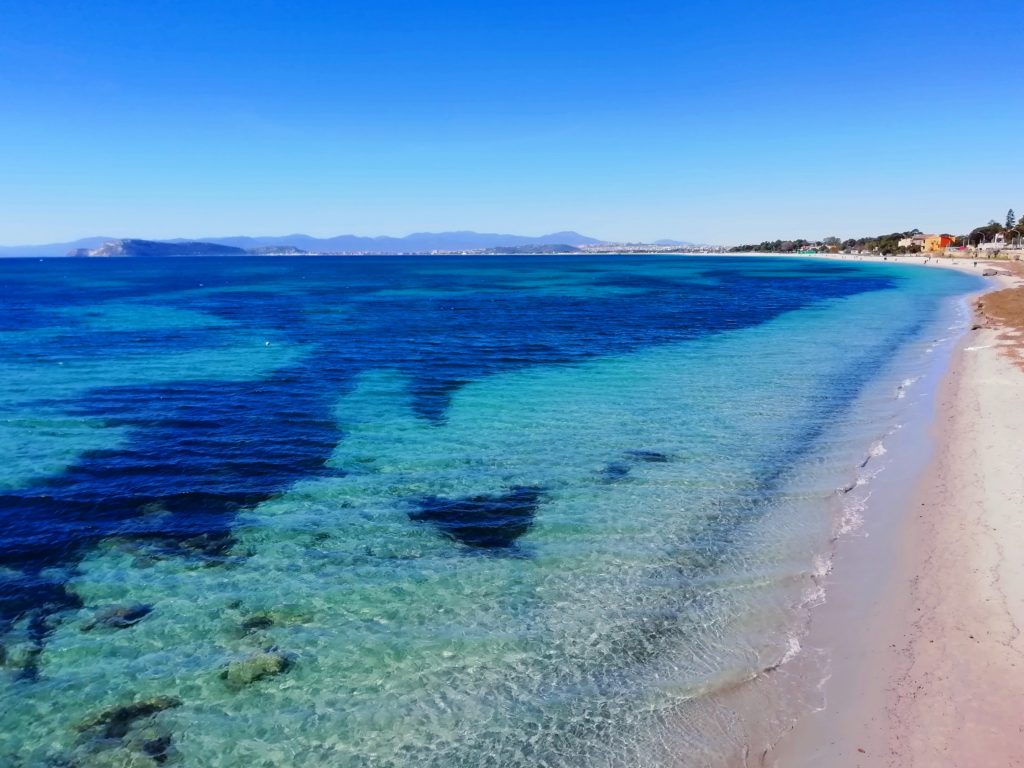
Everyone loves to photograph our multicoloured sea, but few people know a plant is responsible for this phenomenon: the Posidonia Oceanica. A distant relative of the iris that, about 120 million years ago, returned to the sea. Like all plants, it has roots, a stem, leaves and even produces small fruits. It is very important for the sea because its roots consolidate the seabed, the leaves are a refuge for many animal and plant organisms and, through photosynthesis, releases oxygen and absorbs huge amounts of CO2. In the coastal areas, it seems to dye the crystal-clear water with an intense splash of blue, creating colours as far as the eye can see. You don’t need to be a diver to observe it up close, just swim atop the surface of the water and with a mask enjoy the spectacle of the branches moved by the waves and populated by fish and molluscs.
Unfortunately, many people don’t like it because dead leaves deposit on the beach during storms, often creating large accumulations. Often these accumulations are removed mechanically, especially in summer, because they annoy beachgoers and bathers alike. This, however, seriously damages the beach as the decaying leaves become lodged between the rocks and on the dunes. When mixing with sand and soil, fertile soil for plants and shrubs is created whose roots consolidate the coast and limit its erosion.
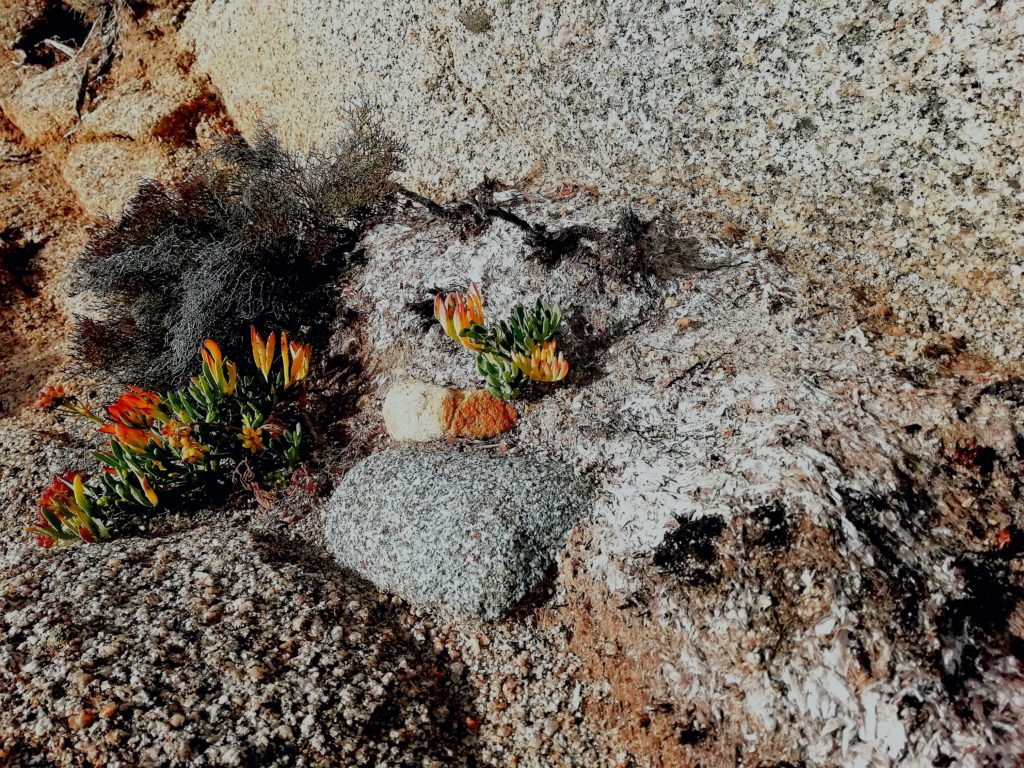
Accompanying travellers to the wildest beaches, I realized that explaining the importance of this plant changes their perception. While ostensibly it seems like an element of disturbance, after seeing it in person it becomes something precious, a detail of the landscape to be observed with care. They take pictures of the pioneer plants and enjoying the soft carpet of white leaves and dry under bare feet. Knowing ecosystems and observing them closely is an important experience that enriches, stimulates respect for nature and makes us feel part of it.